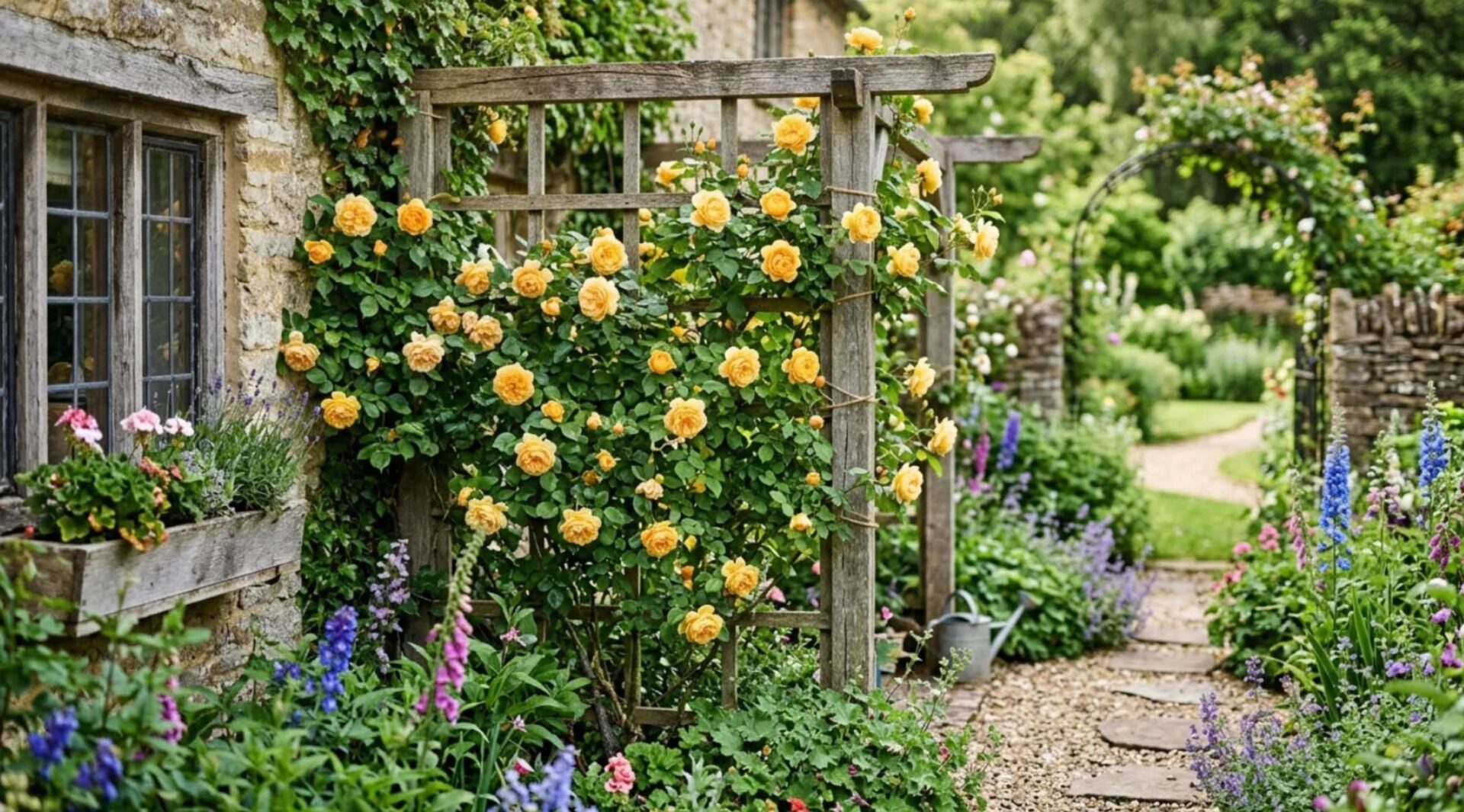
Understanding Climbing Rose Growth HabitsClimbing roses bring vertical charm, vibrant colors, and rich fragrance to any garden space. Selecting appropriate support is essential because these plants produce vigorous, long canes that require sturdy anchoring to thrive and display blooms effectively. Unlike true climbers with tendrils, climbing roses rely on stiff canes that must be manually tied and secured to a framework. Assessing the mature size and weight of the chosen rose variety dictates the necessary strength of the supporting structure. Heavy-flowering cultivars need robust timber or metal installations, while lighter varieties adapt well to slender wires and trellises. Proper installation prevents wind damage and encourages optimal air circulation around the foliage, reducing fungal diseases significantly. Matching Structures to Garden LayoutsVertical garden elements define pathways, divide functional zones, and create stunning focal points in landscape design. Flat trellises attached to exterior walls provide a clean, space-saving solution for narrow side passages and sunny facades. Freestanding pillars and obelisks introduce height into herbaceous borders without blocking views or casting excessive shade on neighboring plants. For creating romantic garden entrances or dividing outdoor rooms, classic rose arches offer a reliable framework that accommodates vigorous stems on both sides. Positioning these structures correctly ensures sufficient sunlight exposure and allows gardeners to maintain a comfortable clearance for walking underneath or performing routine maintenance tasks. Installation Techniques and Material ChoicesSelecting durable materials ensures that the support structure withstands heavy loads and adverse weather conditions over many years. Treated timber blends naturally into garden settings, but requires periodic maintenance and possesses a limited lifespan in damp soil. Powder-coated steel and wrought iron provide exceptional strength and longevity, effortlessly supporting massive clusters of mature rose canes. Securing posts deeply into concrete footings prevents leaning caused by the immense weight of mature plants laden with foliage and flowers. When attaching rose stems to the framework, using soft, flexible garden ties avoids cutting into the bark while keeping the main structural canes firmly in place. Horizontal training of side shoots encourages lateral branching, which maximizes flower production across the entire height of the support. Maintenance and Seasonal Training PracticesRegular pruning and training transform unruly rose bushes into disciplined, floriferous garden features. Late winter or early spring is the optimal period for removing dead wood, shortening side shoots, and tying new growth to the framework. Securing the main structural canes at an angle rather than straight up stimulates blooming nodes along the entire length of the stem. Continuous monitoring during the growing season prevents canes from slipping out of their ties and rubbing against sharp metal edges or abrasive walls. Pruning faded flower clusters promptly encourages subsequent flushes of blooms and maintains a tidy, well-structured appearance until the end of the season. |