|
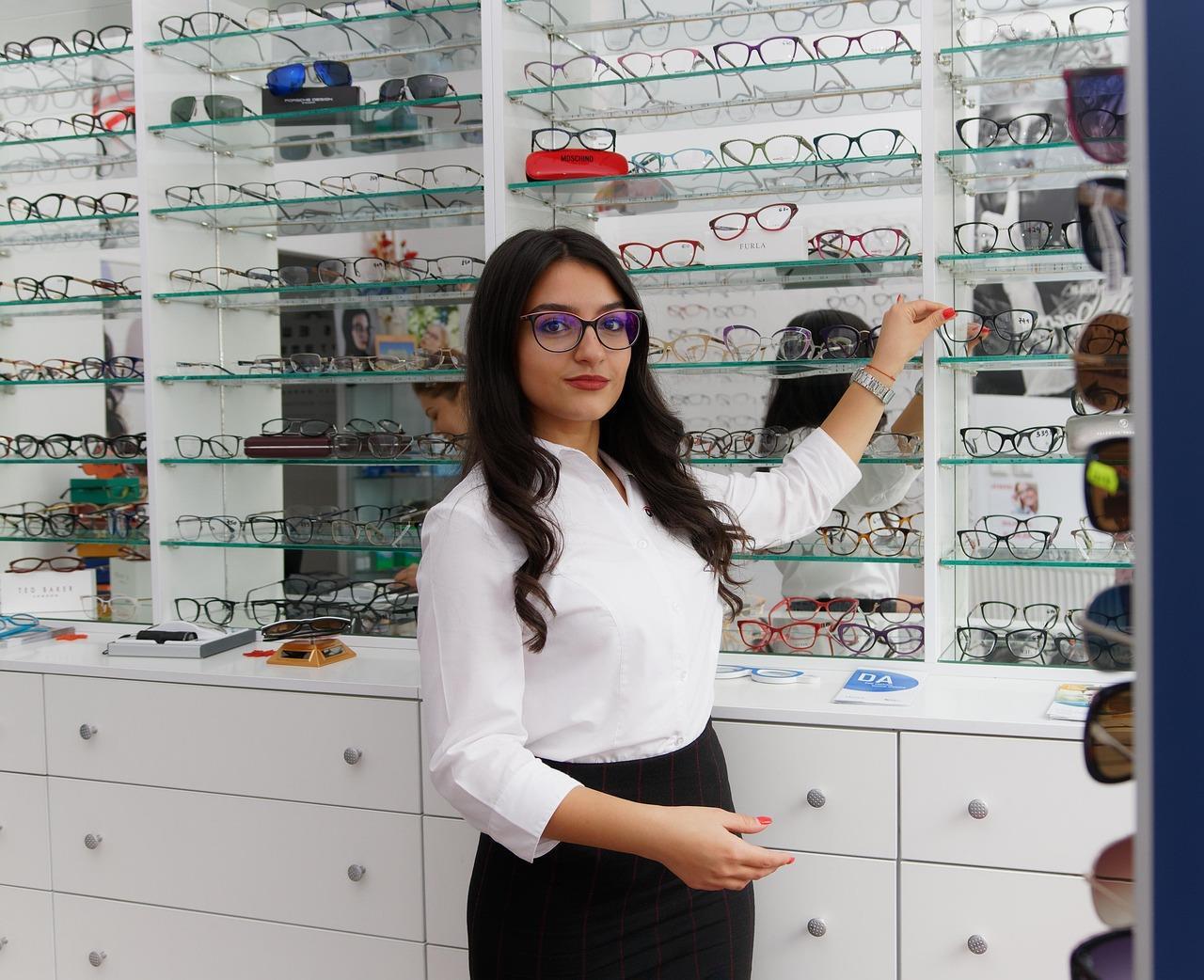
An optical store is more than a place where customers choose glasses. It is a space where style, comfort, trust and professional advice come together. People often visit an optician with a practical need, but the decision they make is also personal. Glasses are worn every day, influence someone’s appearance and need to feel comfortable in daily life. That is why the way an optical shop is designed has a direct impact on the customer experience. A well-planned store helps visitors feel welcome from the moment they enter. It makes browsing easy, gives products room to stand out and supports staff in offering personal guidance. When the interior, product displays and customer journey work together, the store becomes more than functional. It becomes a place where customers enjoy taking their time. Creating a clear first impression The first impression starts before a customer speaks to a staff member. The entrance, window display, lighting and layout all communicate what kind of store they are entering. A clean and open presentation can make the shop feel calm and professional, while warm materials and comfortable seating can make it feel approachable and friendly. Customers should be able to understand the space almost immediately. Where can they browse? Where can they try on frames? Where can they ask for advice? A clear layout removes hesitation and makes the experience feel natural. This is especially important in optical retail, where customers may need time to compare styles, ask questions and consider different lens options. A strong eyewear presentation plays an important role in this process. Frames are small products with many subtle details, so they need to be displayed in a way that makes colors, shapes and materials easy to see. Instead of placing too many frames close together, a thoughtful presentation gives each collection enough space. This helps customers focus and makes the selection feel more valuable. Guiding customers through the collection A good optical store does not leave customers guessing. It gently guides them through the collection in a logical way. For example, frames can be grouped by style, brand, price range, target group or material. Sunglasses, children’s frames and premium collections can each have their own area, making it easier for customers to find what suits them. This kind of structure also helps the staff. When the collection is organized clearly, employees can introduce options more naturally. They can move from one display to another, compare different frame shapes and explain why certain models may fit a customer’s face or lifestyle. The store layout becomes part of the conversation. Mirrors should also be placed carefully. Customers need enough space and good lighting to see how frames look from different angles. Seating nearby can make the process more relaxed, especially when people are visiting with a partner, friend or family member. Small details like these can make the difference between a quick visit and a comfortable buying experience. Balancing beauty and functionality An optical shop should look attractive, but it also needs to work well every day. Staff need practical storage, easy access to products and enough room to move around customers. Consultation areas should feel professional, while payment and service points should be clear and accessible. This is where the role of an interior optician becomes important. The design should reflect the identity of the business, but it must also support the daily flow of the store. A boutique-style optician may choose warm lighting, elegant furniture and refined materials. A modern optical store may prefer clean lines, bright spaces and minimal displays. In both cases, the design should feel consistent and practical. The best interiors are not just beautiful in photos. They continue to work well during busy moments, quiet appointments and everyday service. They help customers feel at ease and allow staff to do their work efficiently. Using light, space and materials wisely Lighting is one of the most important parts of optical shop design. Frames need to be visible without harsh reflections, and customers need flattering light when trying them on. General lighting keeps the store bright, while accent lighting can highlight selected collections or feature walls. Materials also influence the atmosphere. Wood can create warmth, glass can feel clean and modern, and metal details can add a premium touch. Colors should support the products rather than compete with them. Neutral tones often work well because they allow frames to remain the focus, while subtle brand colors can add personality. Space is just as important as style. A store that feels too crowded can overwhelm customers. A space that is too empty may feel distant or impersonal. The right balance makes browsing pleasant and gives the products a sense of quality. Making the visit feel personal Choosing glasses is a personal decision. Customers want to feel that they are being listened to, not rushed. A comfortable interior supports this by creating calm areas for advice, enough room for trying on frames and a pleasant atmosphere for making decisions. When the store design is thoughtful, customers notice it without always being able to explain why. The route feels natural, the products are easy to explore and the service feels more personal. This creates trust, and trust is essential in optical retail. A memorable optical store combines practical design with a warm customer experience. It presents frames clearly, supports professional advice and makes every visitor feel welcome. When all these elements come together, the store becomes a place customers are happy to return to. |